If you want to live in downtown Chicago without the cost, hassle, and storage needs of a car, the Loop deserves a serious look. It offers one of the strongest transit setups in the city, but not every block or building will feel equally easy day to day. When you buy with a car-free lifestyle in mind, the details matter more than you might think. Let’s dive in.
Why the Loop Fits Car-Free Living
The Loop is Chicago’s official downtown and central business district, and that identity matters when you are choosing a condo without planning for a car. According to Chicago Loop Alliance, the Loop is distinct from nearby areas like the South Loop and West Loop, and it functions as the city’s transit core.
For daily mobility, few neighborhoods can match its reach. All eight CTA rail lines serve the Loop, and there are multiple nearby Metra terminals, including LaSalle Street Station, Millennium Station, Ogilvie Transportation Center, and Union Station. That kind of transit redundancy gives you options when your schedule changes or one route is delayed.
The local data backs up the lifestyle fit. CMAP’s June 2026 Loop snapshot reports that 49.9% of occupied housing units in the Loop have no vehicle available. The same snapshot shows average annual vehicle miles traveled per household at 4,660, which is far below Chicago’s 9,081.
That tells you something important: living here without a car is not a fringe choice. It is already part of how many residents use the neighborhood.
What the Loop Is Really Like Day to Day
A car-free lifestyle in the Loop can feel efficient, connected, and fast moving. At the same time, this is not a purely residential neighborhood. CMAP reports that Loop land use is 39.5% transportation and other land use, 19.3% commercial, and only 10.0% multi-family residential.
In practical terms, you are living in a district shaped by offices, transit, visitors, and public space as much as by full-time residents. That can be a real advantage if you want to be close to rail, work, dining, and cultural destinations. It can also mean your exact building location matters more than the neighborhood label.
The Loop is also dense and active. If you love a polished downtown rhythm and want to step into the center of the city each day, that energy may be a benefit. If you want a softer, more residential feel, you will want to be selective about the block and the building.
Condo Features That Matter Most
When you do not own a car, the best condo is not just stylish. It needs to remove friction from ordinary tasks like grocery runs, package deliveries, airport trips, and rideshare pickups.
Many buyers focus first on finishes and views, which makes sense in a high-rise market. But for car-free living, convenience systems often matter just as much as design.
Prioritize Building Logistics
Look closely at features that support daily movement and delivery flow. The most useful ones often include:
- Secure package receiving
- Strong front-desk or concierge coverage
- Easy delivery access
- Reliable elevators
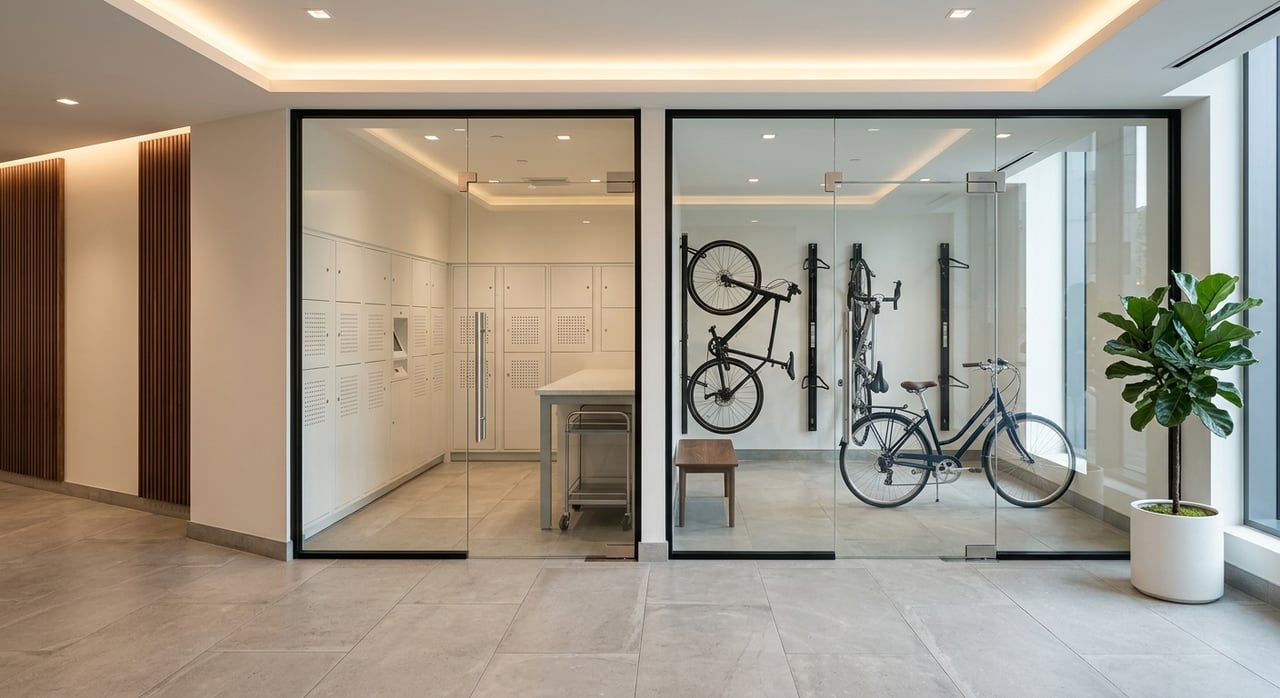
- Bike storage
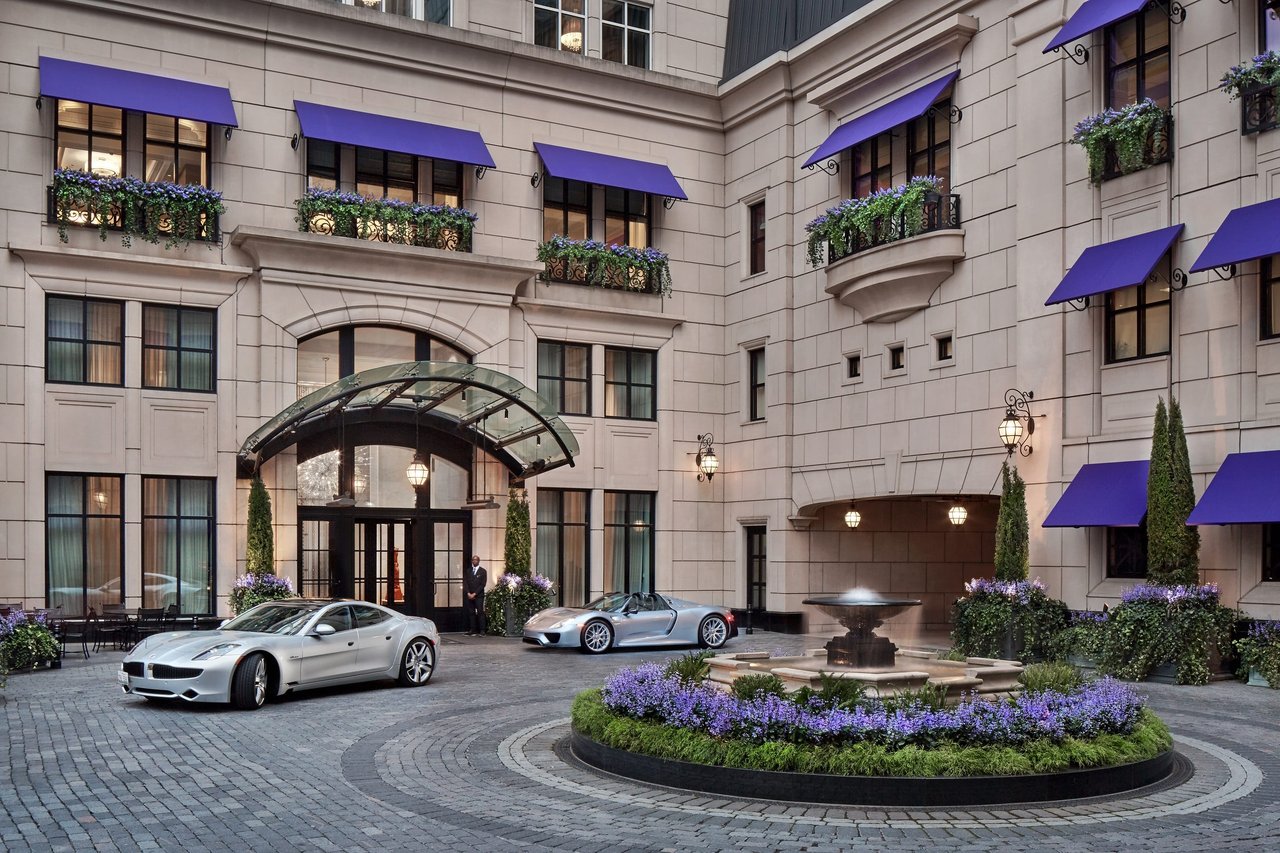
- Guest parking or a rideshare-friendly drop-off area
These details can make a major difference when much of your routine depends on walking, transit, or deliveries instead of driving.
Think About Service Hours
A no-car lifestyle works best when your building can support an unpredictable downtown schedule. If you travel often, work long hours, or rely on evening deliveries, limited staffing or difficult access can become a daily annoyance.
This matters in the Loop because resident habits are shaped by the area’s business mix. Chicago Loop Alliance’s residential survey found that 58% of respondents are often negatively impacted by limited business hours in the Loop. That means convenience is not only about distance. It is also about timing.
Retail Access Matters More Than You Think
If you plan to live car free, the condo should fit your errand routine, not just your wishlist. Grocery access is one of the clearest examples.
Chicago Loop Alliance’s survey found that 47% of respondents buy groceries in the Loop, 31% buy groceries outside the Loop, and 22% use online delivery. The same survey lists stores used by Loop residents, including Bockwinkel’s, Mariano’s, Target, Trader Joe’s, and Whole Foods.
That mix tells you the Loop can work well, but only if your building is positioned for how you actually shop. A condo near a practical grocery option, with strong delivery handling, will usually serve you better than a prettier unit in a less convenient spot.
Ask About Your Weekly Routine
Before you make an offer, think through your normal week. Ask yourself:
- Where will you buy groceries most often?
- How easy is it to carry essentials home on foot?
- Does the building handle deliveries smoothly?
- Are pharmacy, dining, and household basics nearby?
- Do nearby businesses keep hours that fit your schedule?
This is especially relevant in the Loop because residents have said they want more grocery stores, recreation, bookstores, home stores, pharmacies, and personal services. In other words, convenience is part of the buying decision here.
Sound and Construction Deserve Extra Attention
In a downtown high-rise purchase, buyers often underestimate sound until after closing. In the Loop, that can be a costly mistake.
This is a dense district with heavy rail activity and a constant flow of street traffic. Buyers should pay close attention to unit orientation, proximity to tracks, nearby bus corridors, and busy intersections.
Window quality also matters. Ask about glazing, sound attenuation, and whether the unit faces a quieter side of the building.
You should also ask about nearby construction or station work. CTA says the State/Lake Loop Elevated station is closed for reconstruction through 2029, with riders directed to Clark/Lake or Washington/Wabash. Even if a project does not affect your exact route, it can still shape noise, foot traffic, and convenience nearby.
Transit Questions to Ask at Every Showing
A polished lobby and strong amenities can be appealing, but your daily experience will come down to access. In the Loop, a few practical questions can tell you a lot.
Use This Showing Checklist
- How far is the nearest usable CTA entrance?
- Is that station currently under construction or closure?
- Can groceries, packages, dry cleaning, and rideshares be handled easily from the building?
- Does the unit face tracks, bus corridors, or a busy intersection?
- Is there enough storage for bikes, luggage, and bulk deliveries?
- Do the building’s amenities and service hours fit your schedule?
For a buyer who wants a smooth downtown lifestyle, these answers matter just as much as square footage or finish level.
Travel Convenience Is a Real Advantage
One of the Loop’s biggest strengths is how easily it connects you to the rest of the city and beyond. If you travel often for work or split time between cities, that can be a meaningful quality-of-life upgrade.
CTA states that transit is the easiest way to get to and from Chicago’s airports, with direct service to O’Hare on the Blue Line and to Midway on the Orange Line. CTA also says Blue Line trains run 24 hours a day, seven days a week.
For regional rail access, Union Station is within walking distance of many Loop destinations. That makes the neighborhood especially practical for executive relocations, frequent flyers, and buyers who want a pied-à-terre with simple airport and train access.
How the Loop Compares to Nearby Areas
The Loop is not the only downtown option for condo buyers, but it is often the most efficient one for living without a car. If your first priority is transit concentration, it stands out.
Nearby neighborhoods serve different lifestyle goals. River North is more dining and nightlife driven. West Loop is known for its restaurant scene, especially around Randolph Street and Fulton Market. Streeterville leans toward lakefront and visitor-oriented amenities, while South Loop offers a more residential park-and-museum feel.
That distinction can help you narrow your search. If your top goal is maximum transit access and the shortest walk to rail, offices, and central services, the Loop is often the cleanest fit. If you care more about a different lifestyle flavor, another downtown neighborhood may suit you better.
The Best Loop Condo Is Block Specific
The big takeaway is simple: buying a Loop condo for car-free living is less about choosing the neighborhood in general and more about choosing the right building on the right block. The Loop gives you rare transit access and strong downtown convenience, but your day-to-day experience depends on how the condo supports the way you live.
That means balancing location, building operations, sound control, service access, and travel patterns. In a high-rise market, those details can separate a condo that looks good on paper from one that feels effortless in real life.
If you want a polished, walkable downtown lifestyle with rail access in every direction, the Loop can be one of Chicago’s smartest condo plays. If you want help narrowing down buildings that truly work for a car-free routine, connect with Rafael Murillo for a private consultation and personalized guidance.
FAQs
What makes the Loop a good Chicago neighborhood for living car free?
- The Loop offers all eight CTA rail lines, multiple Metra terminals, strong walkability, and a high share of households without a vehicle, which makes it one of Chicago’s most practical neighborhoods for car-free condo living.
What condo features matter most for a car-free buyer in the Loop?
- The most useful features usually include secure package receiving, concierge or front-desk coverage, reliable elevators, bike storage, delivery-friendly access, and a smooth rideshare pickup setup.
How important is grocery access when buying a Loop condo?
- Grocery access is very important because a car-free routine depends on easy errands, reliable delivery options, and nearby stores that fit your schedule.
Are some parts of the Loop louder than others for condo buyers?
- Yes. Unit orientation, nearby train tracks, bus corridors, busy intersections, and ongoing station or street construction can all affect noise and day-to-day comfort.
How does the Loop compare with River North, West Loop, Streeterville, and South Loop for car-free buyers?
- The Loop is often the strongest fit when your top priority is transit efficiency, while nearby neighborhoods may appeal more if you are prioritizing dining, nightlife, lakefront access, or a more residential feel.
Is the Loop a good choice for frequent travelers buying a Chicago condo?
- Yes. The Loop offers direct CTA access to O’Hare and Midway, plus convenient access to major downtown rail terminals, which can make work and airport travel much easier.