If you love Chicago’s skyline and the lake, your shortlist likely comes down to two addresses: the New East Side and the Loop. Both deliver high-rise living with world-class culture, dining, and effortless commutes, but the daily feel is different. You want clarity on views, amenities, assessments, and how each neighborhood fits your lifestyle. This guide gives you a clean side-by-side, highlights representative towers, and outlines the costs and long-term value factors that matter most. Let’s dive in.
Quick neighborhood primer
The New East Side, often called Lakeshore East, is a master-planned district tucked east of Columbus and Michigan with its own central park and direct lake and harbor edges. It sits within the broader Loop community area but feels more resort-like and intentionally planned. For background, see the overview of the Lakeshore East master-planned district.
The Loop is Chicago’s central business district and includes Millennium Park, the theater district, and civic institutions. It is dense, energetic, and rich with transit and cultural access. Learn more about the Chicago Loop community area.
Side-by-side: lifestyle and trade-offs
Views: lake and park vs. skyline drama
- New East Side: Many towers were oriented to capture uninterrupted lake, harbor, and park exposures. On higher floors, east and southeast views can feel panoramic and consistent across tiers.
- Loop: You can still find strong park views, especially near Millennium Park, but many residences look onto office corridors or street canyons. Expect greater variability in view quality within the Loop.
Practical tip: If reliable lake and park vistas are non-negotiable, New East Side towers often deliver more consistently. If you love dramatic skyline scenes and want cultural front-row seats, a Loop address can be compelling.
Building age and amenity scale
- New East Side: Most luxury towers here are 2005–2022 vintage and were delivered with hotel-style amenity decks, indoor and outdoor pools, extensive wellness floors, co-working lounges, pet facilities, and kids’ spaces.
- Loop: Product is more mixed. You’ll find newer full-service towers and older conversions. Amenities can be strong in premium Loop buildings, but footprints vary.
Practical tip: If a resort-style amenity stack is your priority, the New East Side’s recent towers typically offer more contiguous amenity space per unit. The Loop delivers service and proximity to cultural anchors, with more variety building to building.
Walkability, transit, and daily ease
- Both areas are exceptionally walkable and transit-rich. New East Side residents enjoy quiet park paths, the lakefront trail, and pedway connections into the Loop. The Loop places you closest to multiple train lines, Millennium Station, and a denser spread of offices and retail.
Practical tip: Choose New East Side for a calmer walking experience and immediate lake access. Choose the Loop for maximum transit interconnectivity and shortest workday walks.
Culture and energy
- New East Side: You’re steps from Millennium Park, Maggie Daley Park, the Riverwalk, and a private central parkland inside the district. Outdoor programming and greenspace are part of the everyday experience. See the Lakeshore East overview for context.
- Loop: You are closest to the Art Institute, Symphony Center, and the theater district, with robust daytime activity and evening cultural programming. If museum and performance access is a top driver, Loop addresses minimize your travel time.
Carrying costs, HOA structures, and parking
- Newer, amenity-rich towers often carry higher assessments to operate large shared facilities. In both neighborhoods, monthly costs vary widely by unit size, amenities, and whether parking is deeded and taxed separately.
Practical tip: Do a unit-level comparison that includes HOA, parking dues, and property taxes. Review a building’s reserves, budget, and any recent or pending assessments before you commit.
Representative towers to know
New East Side highlights
- 340 on the Park, 340 E Randolph St. Completed in 2007 with LEED credentials, this tower is known for its indoor lap pool, winter garden, and expansive fitness center. Units facing the park and lake are perennial draws.
- Aqua, 225 N Columbus Dr. The Aqua tower by Jeanne Gang pairs an iconic undulating balcony design with a mixed-use amenity model. Its architectural identity adds enduring appeal.
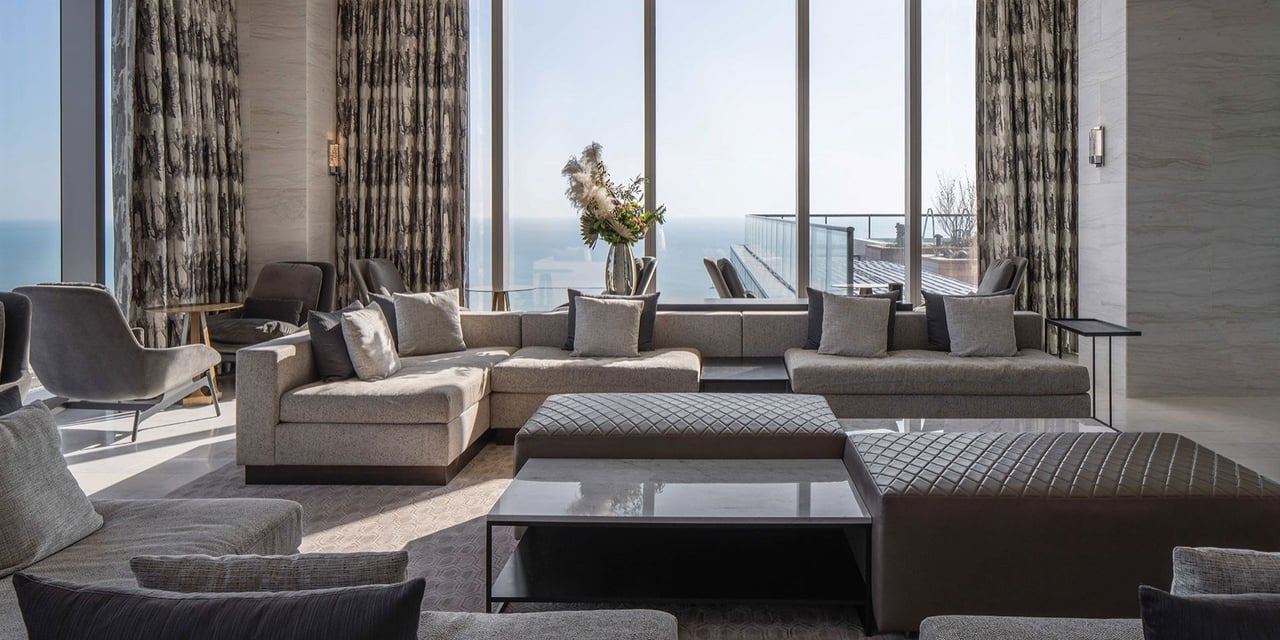
- Cirrus, 211 N Harbor Dr. A 2021 lakefront condominium offering with resort-scale amenities, including indoor and outdoor pools, wellness studios, a kids’ club, and dog facilities. See a representative floor and amenity mix in a Cirrus residence example.
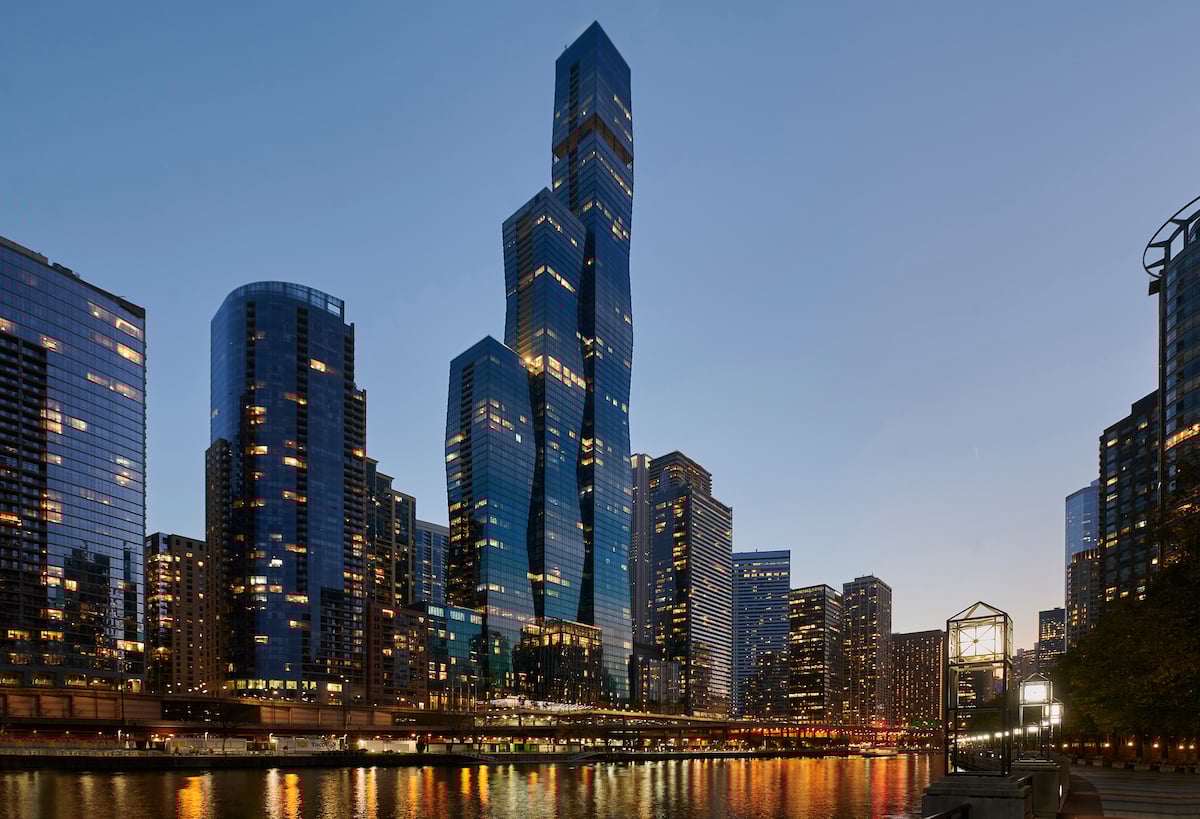
- The Residences at the St. Regis Chicago, 363 E Wacker Dr. Ultra-luxury branded residences with sky amenities and bespoke penthouse offerings. Since delivery, the building has influenced the city’s top-tier luxury comps.
Why these matter: Together they show the New East Side’s strengths in newer construction, expansive amenities, and reliable lake and park views. If you want a modern systems profile with a full wellness and lifestyle program, start here.
Loop highlights
- Legacy at Millennium Park, 60 E Monroe St. A full-service luxury tower with strong amenity offerings, sky lounges, and dramatic park-facing exposures. Its location delivers immediate access to Millennium Park and cultural institutions. Explore a Legacy at Millennium Park listing example.
- Additional Loop options range from newer luxury towers with pools and door staff to classic conversions with varied floor plans. Inventory here is broader in age and style than in a single master-planned district.
Why these matter: The Loop gives you front-row cultural access, robust transit, and a wide spectrum of layouts and price points. If your day revolves around the Art Institute, Symphony Center, or the theater district, Legacy and peers deserve a look.
Market snapshot and pricing context
Public provider snapshots consistently show higher median pricing in the New East Side compared with the broader Loop inventory. This reflects the New East Side’s concentration of newer, larger, and higher-amenity residences, while the Loop spans a wider range of ages and floor plans. Keep in mind that listing-based medians differ from closed-sale medians, and figures vary by provider methodology and timeframe.
How to use this insight: Rather than compare only neighborhood medians, evaluate price per square foot by building tier, orientation, and floor height. High-floor lake and park exposures typically command premiums in both areas, with especially durable premiums for true east and southeast lake orientations in Lakeshore East.
Ownership costs: what to verify every time
Monthly holding costs are highly unit-specific. Before you write an offer, request and review:
- HOA assessments and inclusion list. Confirm services included and whether amenities are fully staffed year-round.
- Reserves, budget, and recent meeting minutes. Healthy reserves and professional management can reduce the risk of special assessments.
- Parking structure and taxes. Deeded parking is often assessed and taxed separately. Confirm monthly HOA impact and tax treatment.
- Property tax trends. Chicago’s reassessment cycles can change annual tax exposure. Incorporate this into your long-term cost planning.
Long-term value drivers
- Building pipeline. Future luxury deliveries, especially branded residences nearby, can influence pricing power. The Lakeshore East master plan provides context on potential supply.
- Floor plan scarcity. Larger floorplates, full or near-full floors, and premier waterfront orientations tend to retain premiums over time.
- Association health. Strong governance, reserves, and stable operations support value and resale liquidity.
- Micro-location. Proximity to parks, lakefront access, or direct cultural adjacency can enhance long-term demand and buyer pool depth.
Which neighborhood fits you?
- View-first buyer: Choose the New East Side to maximize consistent lake and park exposures, especially on east and southeast tiers.
- Amenity devotee: The New East Side’s newer towers usually offer the most robust, resort-style amenity stacks.
- Culture-at-your-doorstep: If you want the shortest walk to the Art Institute, Symphony Center, and theaters, the Loop delivers.
- Super-commuter: The Loop offers the densest transit options and direct access to multiple CTA lines and Millennium Station.
- Value hunter within luxury: The Loop’s broader age range provides more variety by price point, while still offering trophy units with top-tier views.
Smart next steps for serious buyers
- Tour by tier. See high, mid, and lower-floor tiers facing different orientations in your target buildings. Views and light can change dramatically with elevation and facing.
- Compare costs side by side. Create a single-page sheet for each finalist with HOA, reserves, recent assessment history, parking structure, and current property tax bill.
- Validate resale velocity. Review 12–24 months of closed comps and average days on market for your target stack and orientation.
- Meet the manager. A quick conversation with building management helps you understand operations, service levels, and upcoming projects.
- Align offer strategy. If you are pursuing a premier view line or a scarce floor plan, be prepared to move decisively when the right unit surfaces.
When you are ready to refine your plan, request a private consultation with Rafael Murillo for discreet, data-driven guidance and access to on- and off-market opportunities in both neighborhoods.
FAQs
What is the key difference between New East Side and the Loop for luxury condos?
- The New East Side emphasizes newer towers with lake and park views and resort-style amenities, while the Loop offers cultural adjacency, dense transit, and a wider range of building ages and floor plans.
Are lake views more consistent in the New East Side than in the Loop?
- Yes, many Lakeshore East towers were sited for reliable lake and park exposures, while Loop views vary more by building and orientation.
Is the New East Side part of the Loop?
- Yes, it sits within the Loop community area, but it functions as a distinct, master-planned district with its own park and lakefront edges.
Which neighborhood has better transit access?
- Both are excellent, but the Loop concentrates more transit nodes and Millennium Station, which can shorten commutes for many riders.
How do HOA assessments typically compare between the two areas?
- Newer, amenity-rich buildings in the New East Side often carry higher assessments, while Loop assessments vary widely depending on building age and services.
Which area is better for cultural access and events?
- The Loop places you closest to the Art Institute, Symphony Center, and the theater district, offering frequent performances and exhibitions.
What should I look for when comparing carrying costs?
- Review monthly HOA, parking dues and tax status, property taxes, reserves, and any recent or pending special assessments, then compare line by line.
What factors support long-term value in these neighborhoods?
- Scarce floor plans, premier view orientations, strong association health, and limited competing supply near parks or the lake tend to support resale strength.