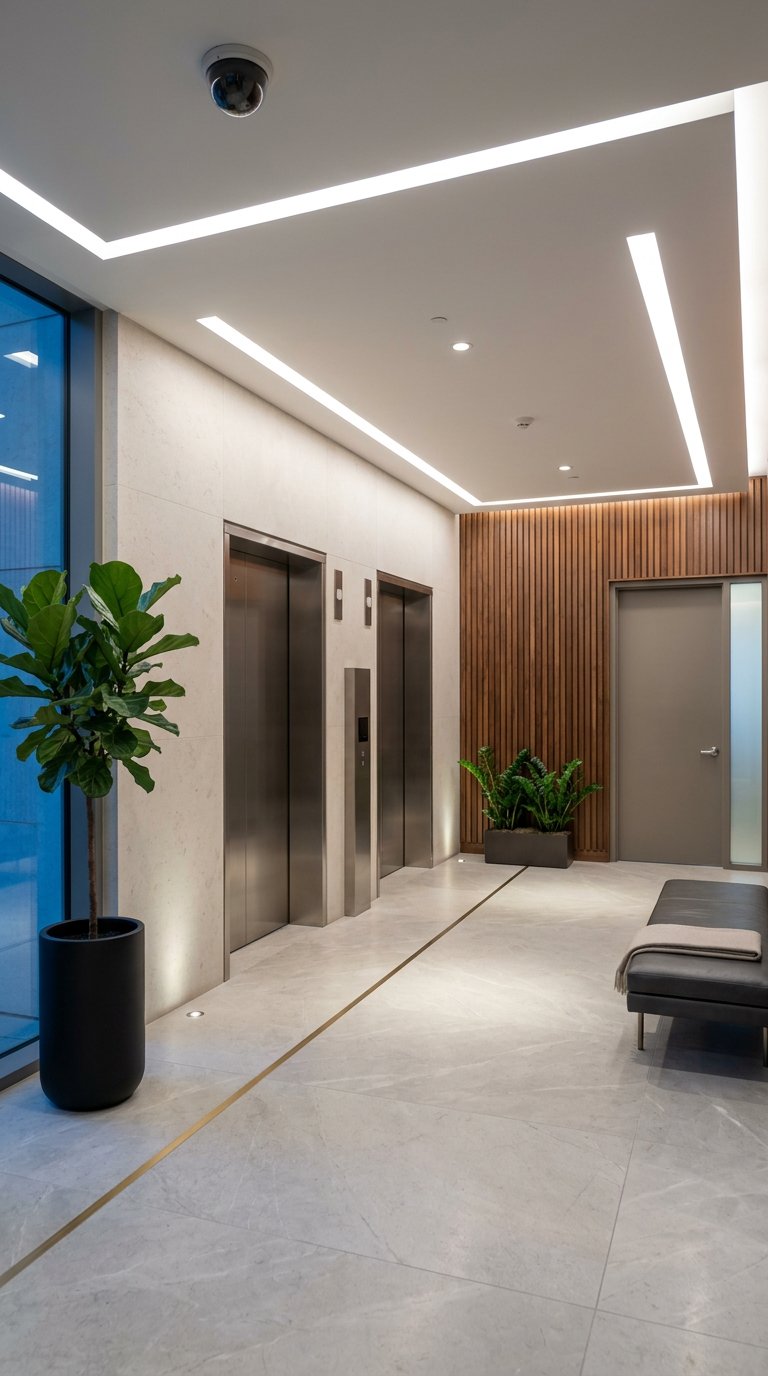
Privacy is more than an amenity in Streeterville. With world-class hospitals, Navy Pier, and the Magnificent Mile close by, downtown living comes with attention, foot traffic, and service activity. If you value discretion, you want a building that protects your identity and your routine without friction. This guide shows you how top Streeterville towers layer security, which questions to ask, and the signals that separate true privacy from marketing. Let’s dive in.
Why Streeterville privacy matters
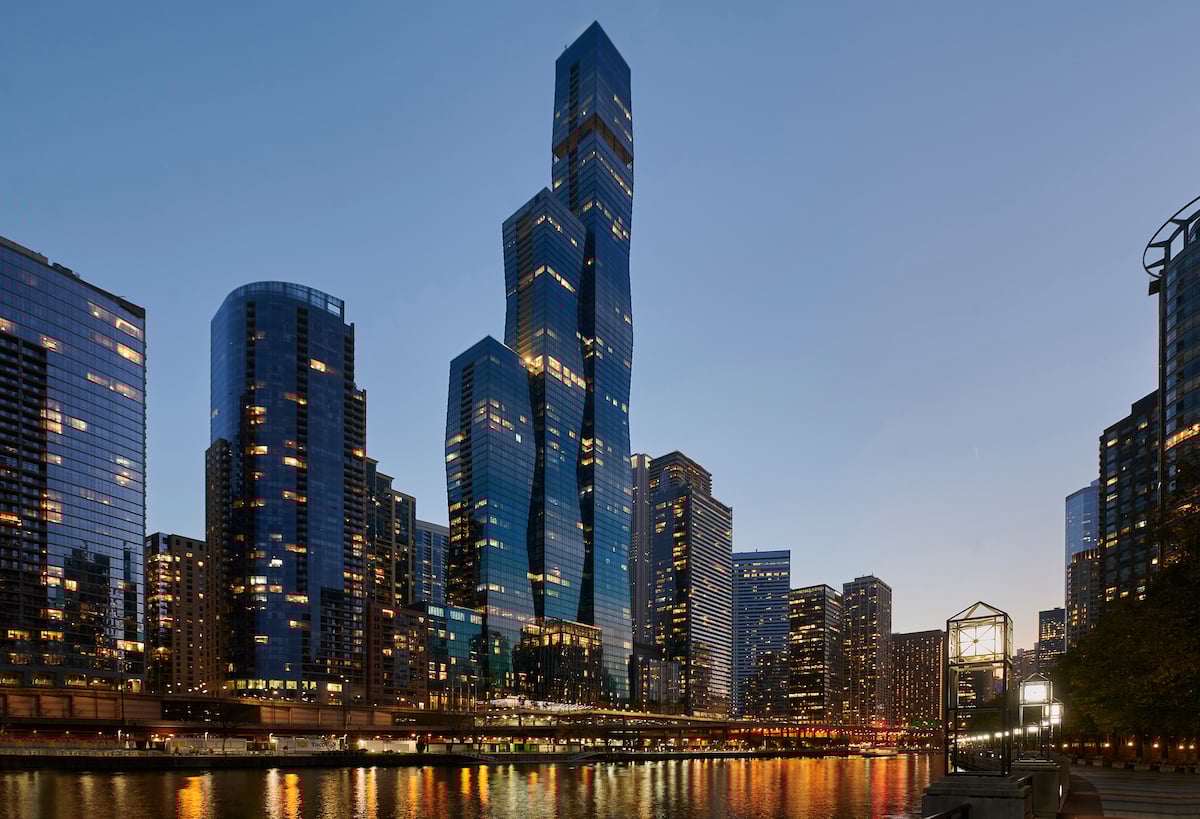
Streeterville is a dense, mixed-use district, which means more visitors, deliveries, and cameras in everyday life. Northwestern Memorial Hospital’s medical campus sits in the neighborhood, drawing patients, staff, and media interest to the area year-round. That activity can be a benefit for convenience, but it also raises the bar for access control and building protocols. Many luxury towers respond with private motor courts, 24-hour staffing, and strict guest management to keep resident flows discreet.
- Reference: Learn more about the nearby hospital complex and its urban context through the entry on Northwestern Memorial Hospital.
- Reference: Recent developments highlight privacy-focused features like staffed lobbies and motor courts in their amenity lists, as seen in One Bennett Park materials.
Core building security layers
Staffed lobbies and discreet arrivals
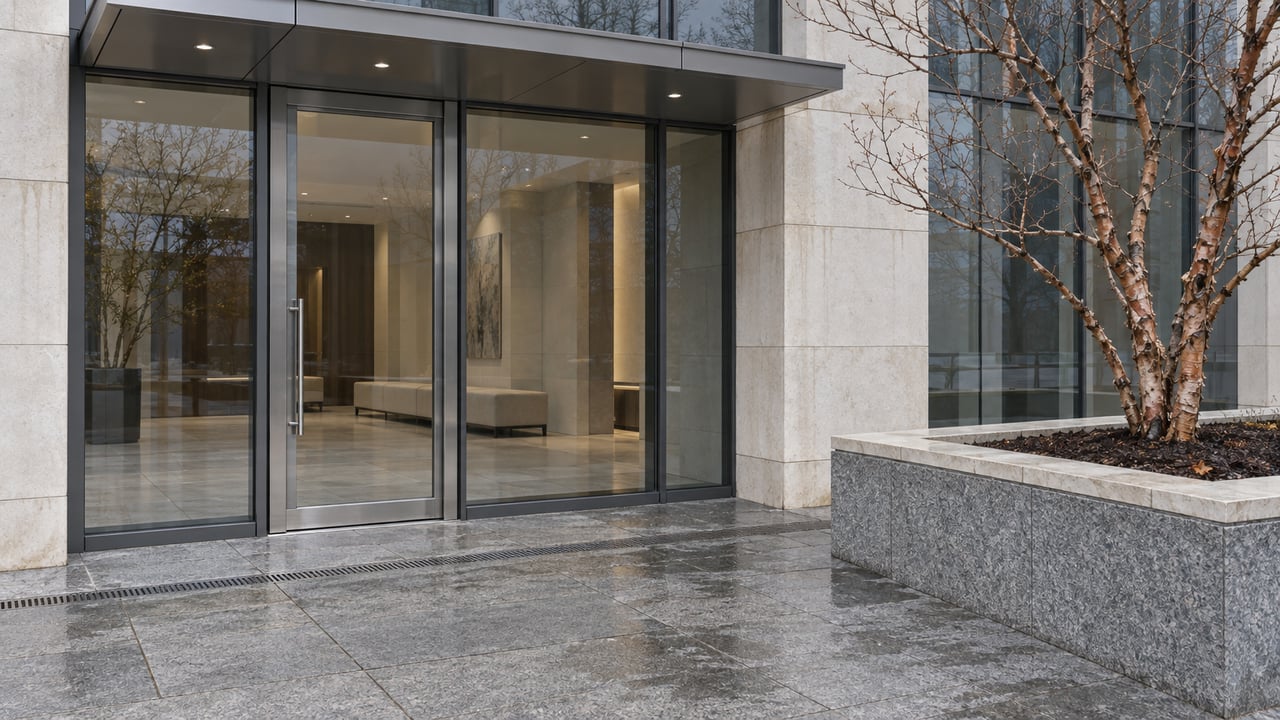
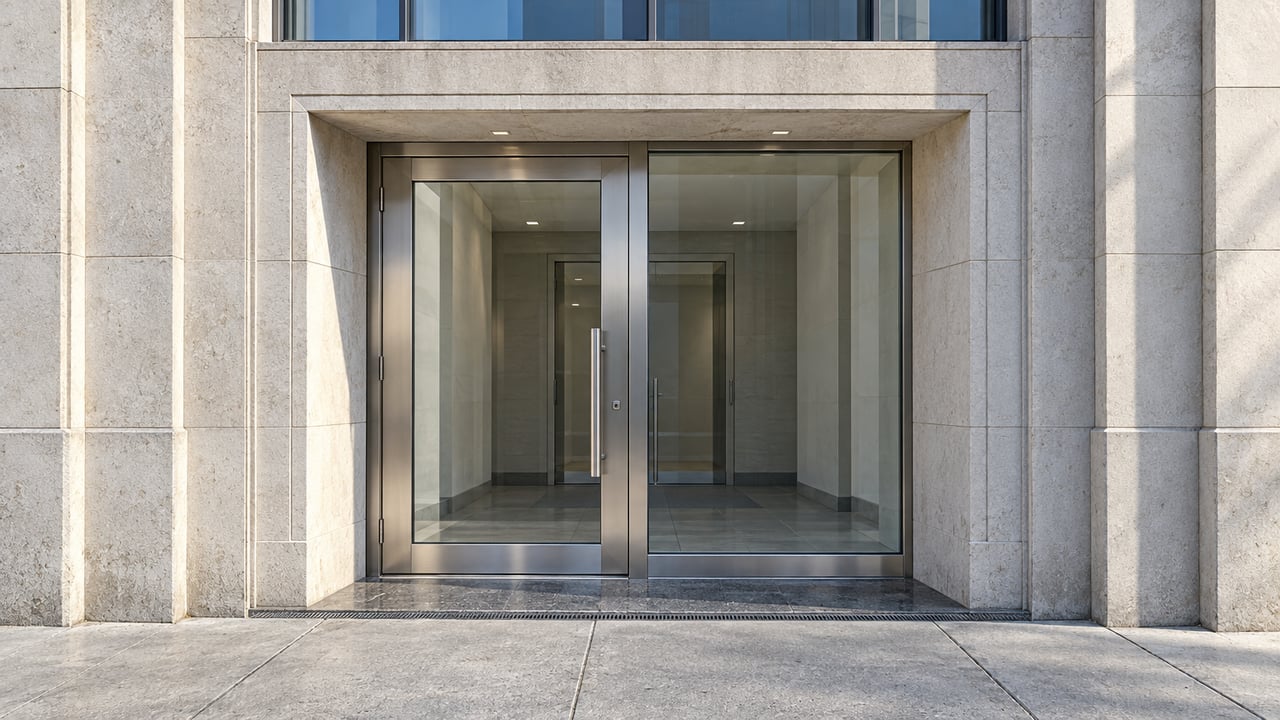
Streeterville’s best towers combine design and service to screen access from the street. A staffed lobby with a trained concierge or doorman records guests, manages packages, and coordinates drop-offs. Buildings that feature a motor court or porte-cochère allow you and your guests to arrive off-street with less visibility, often supported by valet service. Marketing for leading towers highlights these features as privacy-forward amenities, as in One Bennett Park’s amenity overview.
Front-desk procedures matter as much as architecture. Many resident handbooks spell out visitor sign-in, guest notification, and package release rules so every shift applies the same standard. An example of these policies appears in a publicly posted resident handbook, which mirrors common practices in large multi-unit properties.
Credentialed entrances and elevator control
Electronic access is the backbone of a secure tower. Expect key fobs, proximity cards, or mobile credentials at primary entries, garage gates, and amenity doors, often integrated with visitor and package systems to create an auditable trail. Platforms like BuildingLink show how resident apps, visitor pre-registration, and package logs fit together to maintain control without slowing your day.
Elevator controls protect your floor and limit vertical movement. Common setups include lobby readers that call a specific car, in-car readers that only allow your authorized floors, and destination-dispatch panels tied to your credential. Industry guides outline how these options restrict unauthorized access between floors, as summarized in Kisi’s elevator access guide.
Private elevator options for top-tier privacy
For penthouses and full-floor units, private or direct elevator access maximizes anonymity. This can mean a private car or a vestibule that opens into your residence or a private foyer, with access logged and controlled like any other system. Some Streeterville penthouse offerings explicitly market private-elevator solutions, including Related Midwest’s customizable penthouses.
Secure package and delivery workflows
Package security has evolved beyond a basic mailroom. Luxury buildings now use staffed package rooms, refrigerated and oversized lockers, and integrated software that notifies you and records handoffs. Solutions like Parcel Pending’s locker systems reduce door-to-door courier traffic and create a clear chain of custody. Many buildings also log photos of couriers and pickups for additional verification.
Service entrances and moves
Privacy-focused properties separate resident and service flows. A dedicated service entrance and service elevator keep contractors, movers, and large deliveries away from residential corridors. In towers with motor courts, discrete resident lanes and valet staging prevent congestion and limit public exposure of arrivals. These choices reflect the realities of a mixed-use, high-traffic district where controlled back-of-house circulation is essential.
Surveillance and retention policies
CCTV cameras and on-site security are standard, but policy details vary. Typical residential systems keep footage 30 to 90 days, with longer retention or archival for incidents. Ask for written statements about camera coverage, who can access recordings, and how footage is exported. Security integrator guidance notes these ranges in practice and stresses that retention is a policy choice, not a guarantee, as described by industry resources.
Media and data privacy policies
Media and filming in Chicago
Filming on public streets in Chicago is regulated through the city’s film office, which requires permits, insurance, and community notification for productions that affect public areas. Filming on private property usually needs the owner’s written consent and may include rules for escorts and on-site security. In a condo building, that means media crews should not access lobbies or amenities without board or management approval and a clear policy. See the State of Illinois overview on filming guidelines for the broader framework.
Staff confidentiality and contractor checks
Concierge, door, and service staff often have explicit confidentiality duties written into their roles, with many properties requiring signed agreements or training around resident privacy. Buyers should ask if staff and regular vendors sign confidentiality clauses and what background checks and escort rules apply to contractors. Hospitality job standards reflect these expectations as common practice, which you can see in public-facing job descriptions that call out privacy handling.
Digital systems and vendor privacy
Resident portals, amenity reservations, visitor management, and digital keys concentrate personal data and access logs. Ask for vendor names, privacy policies, data retention timelines, and whether any data is shared with third parties. Solutions like BuildingLink illustrate how buildings centralize these functions. As a buyer, you want to confirm that the board has reviewed vendor privacy policies and offers opt outs for public resident directories.
Association records and owner lists in Illinois
The Illinois Condominium Property Act requires associations to keep specific records and make some available to unit owners under defined procedures. That does not mean resident names should appear on public-facing materials or lobby directories. Ask how the association manages owner lists, staff directories, and confidentiality requests inside resident apps. You can review the Act’s language through this Illinois statute overview.
What to ask before you buy
Use this checklist during due diligence. Request documents, ask for demonstrations, and note any reluctance to share written policies.
-
Entrances and lobby
- Is the lobby staffed 24/7 and how are unannounced visitors handled? Ask for front-desk SOPs and staff hours.
- Is there a motor court or porte-cochère, plus a separate service entrance? Ask for valet and porter protocols.
- How are arrivals and vehicle movements logged?
-
Elevators and floor access
- Which floors require credentials and are amenity levels restricted? Ask for a demonstration of readers or destination-dispatch.
- Do any residences have private or direct elevator access, and how is that car controlled and logged?
-
Guests and events
- Can you pre-register guests and provide escorted access? Look for time-limited digital passes.
- What are the written rules for parties and amenity reservations? Request the resident handbook and moves/renovation SOP.
-
Media, photography, and filming
- What is the building’s written policy for press and crews in common areas? Look for a requirement of management or board approval and insurance.
-
Packages and deliveries
- Are deliveries managed in a staffed room or secure locker system with notifications? Ask about refrigerated or oversized capacity.
- Is in-unit white-glove delivery available and recorded?
-
Staff, contractors, and confidentiality
- Do staff and regular vendors sign confidentiality agreements or complete privacy training? Request an excerpt of the staff handbook.
- What are the background-check and escort rules for contractors on residential floors?
-
Cameras, logs, and retention
- What is the camera coverage map for entrances, elevators, parking, and amenities? What is the footage retention period and access protocol?
-
Apps, portals, and data sharing
- Which platforms manage resident data and access? Ask to see vendor privacy policies, data-flow diagrams, and retention timelines.
-
Association rules and governance
- Request the declaration, bylaws, house rules, and the past 12 months of meeting minutes.
- Ask whether owner names appear in any lobby directory or resident app and how confidentiality requests are handled.
-
Moves, renovations, and staging
- How are move-in and move-out windows scheduled, and is there a dedicated service elevator? Can high-profile arrivals be scheduled discreetly?
Red flags and positive signals
-
Red flags
- No written visitor or media policy, only ad hoc approvals.
- Refusal to disclose third-party vendors or provide vendor privacy policies.
- Publicly posted owner lists or directories without an opt out.
- No separation between resident and service traffic, and no motor court.
-
Positive signals
- A board-approved resident handbook with clear visitor, media, and move procedures.
- Demonstrable elevator access controls and private-elevator provisions where needed.
- Secure lockers or an audited package room with delivery logging.
- Staff confidentiality clauses and contractor background-check procedures on file.
- Willingness to share sample vendor privacy policies and a CCTV policy with retention statements.
How RM Luxury Group helps
You deserve a building that fits your privacy profile without guesswork. Our team pre-screens Streeterville towers for layered access controls, staff and vendor policies, and back-of-house logistics that protect your routine. For sports, entertainment, and executive clients, we coordinate with building management to review confidentiality agreements, media protocols, and move-in plans before you even tour. We also source off-market options when discretion is critical and structure showings to minimize exposure.
If privacy is a top priority, we will guide you through the checklist above, request the right documents, and push for written confirmations so you can compare buildings with confidence. To talk strategy tailored to your needs, connect with Rafael Murillo for a private consultation.
FAQs
What privacy features should Streeterville luxury buyers expect?
- Expect 24-hour staffed lobbies, credentialed building and elevator access, and controlled service flows, with secure package handling and documented visitor policies supported by integrated systems like resident portals.
How do elevator controls protect condo residents in high-rises?
- Elevator readers and destination-dispatch systems restrict floor access to authorized credentials, reducing unauthorized vertical movement and shielding residential floors from casual visitors.
How are packages kept secure in luxury condo buildings?
- Buildings use staffed package rooms or automated locker systems with notifications, delivery logs, and photo verification, which limits door-to-door courier traffic and maintains chain of custody.
What is a typical CCTV footage retention period in condos?
- Many residential deployments keep camera footage for 30 to 90 days, with longer retention for incidents; always ask for the building’s written policy and coverage map.
How are media and filming requests handled in condo common areas?
- Filming on private property requires owner or management permission and can include insurance and escort rules; reputable buildings require formal approval before crews access lobbies or amenities.
Which condo association records are owners entitled to in Illinois?
- Under the Illinois Condominium Property Act, associations must keep certain records and allow unit-owner inspection under set procedures; ask how owner lists are handled and whether resident names are shown in any directory.