Two condos in River North can list at the identical price per square foot and still cost their new owners three hundred dollars a month apart to hold, and the paperwork that explains why doesn't legally have to reach a buyer until after an offer is signed. Illinois requires condo associations to disclose reserve status, pending capital projects, and financial history under Section 22.1 of the Condominium Property Act, but that disclosure package gets requested by an attorney once a buyer is under contract, reviewed during the document period that typically follows inspections. By the time the numbers arrive, the comparison shopping is already over.
That timing gap is the reason price per square foot keeps failing buyers in this particular neighborhood. River North's condo stock splits into two structurally different products: early twentieth century warehouses converted into lofts, and full-service towers built or renovated for amenity-driven living. A dollar figure per square foot treats both as the same asset. They are not.
Two Kinds of Building, One Misleading Number
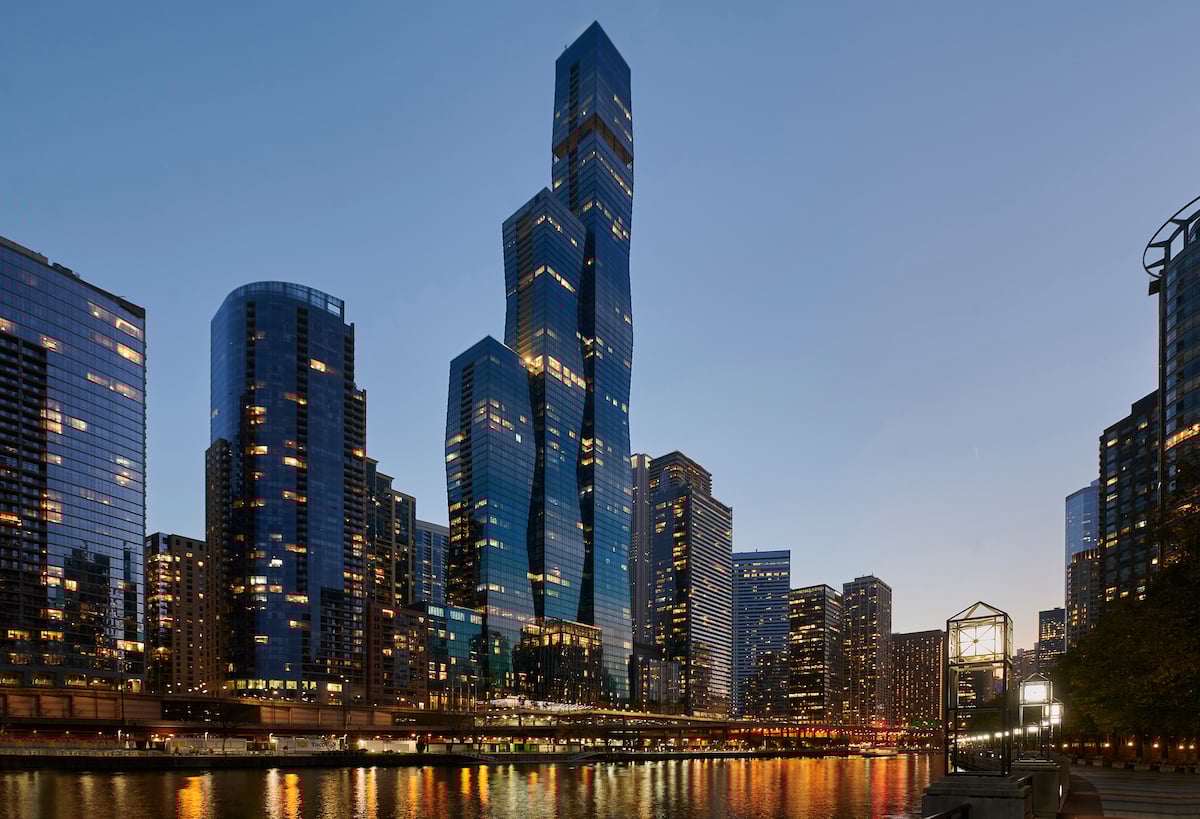
Walk from Illinois Street to State Street in River North and the price per square foot barely moves, but what that number buys changes completely. Boutique loft conversions along streets like Illinois and Huron have traded in the $550 to $700-plus per square foot range, while large amenity towers such as Grand Plaza at 540 N State and Grand Ohio at 211 W Ohio anchor the neighborhood's medians from the other direction, with hundreds of units apiece pulling volume toward the center.
A loft unit and a tower unit can land at a similar per-square-foot price and still represent two different financial commitments, because the assessment attached to each one is doing completely different work.
What's Actually Inside the Assessment
A monthly assessment is not a fee. It's a bundle, and the contents of that bundle vary by building type more than almost anywhere else downtown. A citywide sample of active listings pulled in August 2026, spanning Lincoln Park, Lakeview, Logan Square, River North, Streeterville, West Loop, and South Loop, showed the following spread for a 1,000 square foot unit:
Building Type | Approx. Monthly Assessment (1,000 sq ft) |
|---|---|
Walk-up, no elevator | ~$330 |
Loft conversion | ~$520 |
Full-amenity high-rise | ~$880 |
New construction | $1,100+ |
A full-amenity tower's higher fee often bundles heat, air conditioning, water, cable, door staff, and gym access, costs a loft owner pays for separately or does without. A loft's lower fee can mean older mechanicals, no door staff, and a smaller reserve cushion for the next roof or riser project. Neither number is better on its face. Each is a different set of trade-offs wearing the same unit of measurement.
Different Monthly Fees Within One Building
The Sexton, the loft conversion at 360 W Illinois, makes the point inside a single address. Originally a warehouse converted into loft residences around the turn of the millennium, the building's HOA fees currently range from $523 to $1,271 a month depending on unit size and layout, with average annual property taxes running roughly $9,700. Two owners in the same building, same amenities, same reserve fund, can pay wildly different monthly totals just based on square footage and tier.
That range inside one building is a smaller version of the range across the whole neighborhood. Multiply it by dozens of buildings with different ages, different amenity packages, and different reserve health, and price per square foot stops functioning as a comparison tool. It becomes a number that happens to be true and mostly unhelpful.
Why a Healthy Reserve Doesn't Show Up in the List Price
River North Commons, the loft community spanning buildings on Huron and Superior, offers the clearer contrast. As of March 2026, the association reported a reserve balance of approximately $609,547, after replacing both building roofs in 2024. That balance and that completed capital work sit behind the listing price of any unit for sale there. A buyer scanning price per square foot alone has no way to see it.
The industry term for the health check behind that number is percent funded, defined by the Community Associations Institute's National Reserve Study Standards as the actual reserve balance divided by the fully funded balance, the amount the association should hold given the accumulated wear on its roof, elevators, facade, and mechanical systems. An underfunded reserve is the single most common trigger for a special assessment. A well-funded one, like the roof work already completed at River North Commons, is the reason some owners never see one.
The Lending Wrinkle Nobody Mentions at the Open House
River North towers are aging into expensive capital projects right now: facades, elevators, garages, plumbing risers, the kind of work that shows up as a special assessment when reserves fall short. Lenders have grown noticeably stricter about scrutinizing a building's reserve funding and deferred maintenance before approving a loan on a unit inside it.
That means a buyer's credit score and down payment aren't the only things being underwritten. The building is too. A loft with thin reserves and no pending capital plan can be harder to finance than a newer tower with a fully funded reserve study, regardless of which one has the lower price per square foot.
What This Means If You're Comparing Two Units Right Now
The fix isn't to abandon price per square foot. It's to stop treating it as the whole comparison. Two units at the same per-foot price deserve the same follow-up questions:
What does the monthly assessment actually include, beyond a dollar figure?
What is the reserve balance, and what percentage of fully funded does that represent?
Is there a pending or recently approved special assessment, and has the association disclosed anticipated capital expenditures for the next two years, as required under the Condominium Property Act?
Has the lender's condo project review flagged anything about this specific building?
None of those answers show up in a listing photo or a per-square-foot calculation. All of them show up in the Section 22.1 disclosure package, which is exactly why the timing of that document matters. A buyer who asks for reserve studies and recent board minutes informally, before writing an offer, gets a head start on information the law doesn't require until after they're already committed to a contract.
Frequently Asked Questions
Does a lower monthly assessment always mean a better deal? Not on its own. A lower fee in a loft building often means fewer bundled services and a smaller reserve cushion, not necessarily a lower total cost of ownership once utilities and potential special assessments are factored in.
Can I see a building's reserve study before making an offer? Illinois law only requires the formal Section 22.1 disclosure once a buyer is under contract, but many listing agents and boards will share reserve studies, budgets, or recent meeting minutes informally if asked early in a search.
If you're weighing two River North units that look identical on paper, RM Luxury Group can walk through the reserve study, the assessment breakdown, and the building's financing history before you write an offer, not after.
This article is general information, not legal, tax or financial advice. Consult a qualified professional about your situation.