Thinking about buying a Streeterville condo to rent out? The neighborhood’s lakefront location, world-class amenities, and proximity to downtown employers make it attractive to renters, yet not every condo pencils out. HOA fees, lease rules, and realistic rents can turn a great address into weak cash flow if you do not underwrite carefully.
In this guide, you will learn what drives Streeterville rental demand, how condo association policies shape your returns, how HOA fees impact net yield, and a conservative underwriting framework with an illustrative pro forma. You will also get a due-diligence checklist you can use before you write an offer. Let’s dive in.
Why renters choose Streeterville
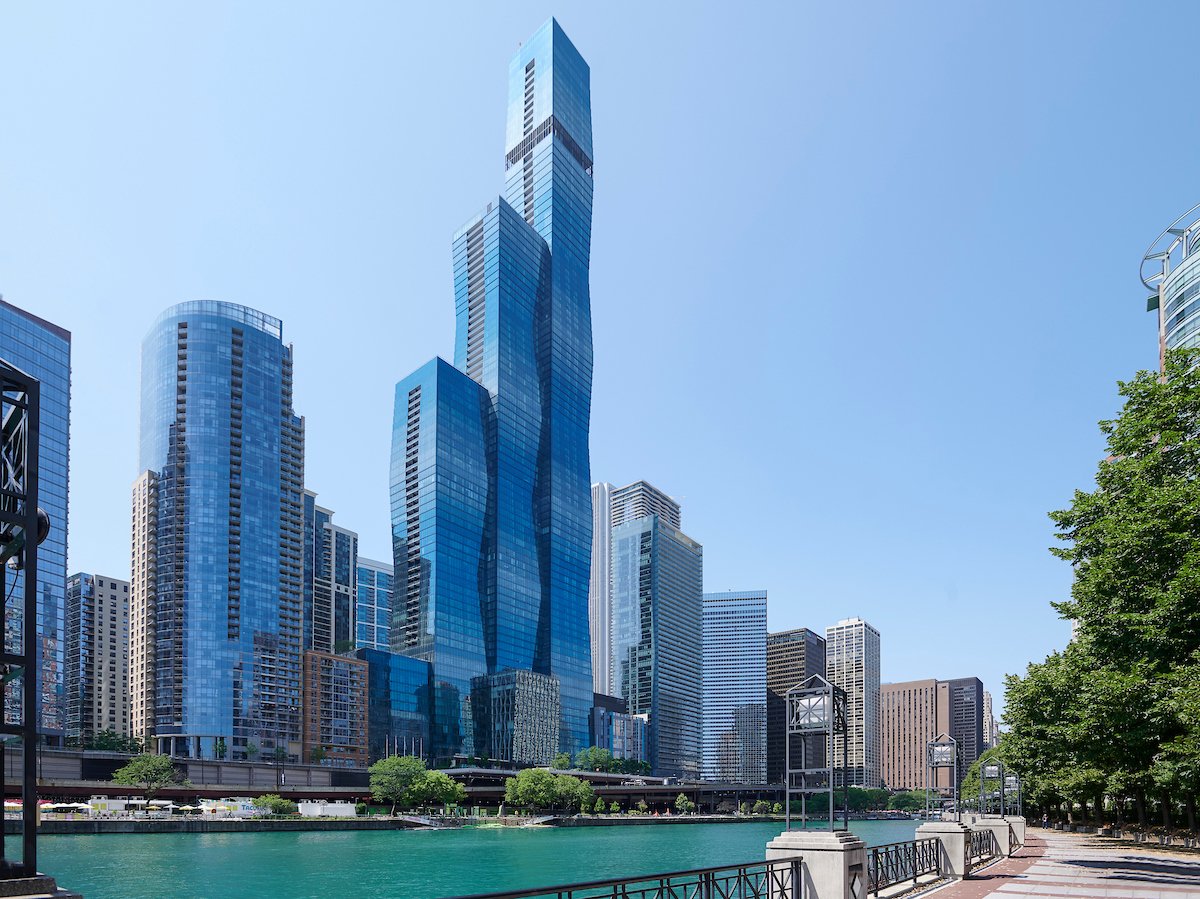
Streeterville sits on the lakefront east of the Magnificent Mile, with a dense mix of luxury high-rises and full-service buildings. Renters choose it for walkability, quick access to downtown employers, and the lifestyle of lakefront paths, restaurants, and retail. For many, the ability to skip a long commute is worth a premium.
Key tenant segments include medical professionals and hospital staff at Northwestern Memorial Hospital and nearby clinics, young professionals working in the Loop and retail corridors, and temporary-assignment professionals like consultants and traveling nurses. You also see empty nesters and downsizers who value one-level living and building amenities. Students and interns are present, though they are a smaller share of demand.
Transit and location matter. You are within walking distance of downtown offices and close to high-frequency CTA bus routes, with Red Line access nearby. Proximity to Lake Michigan and recreational amenities often supports higher rents for units in buildings with strong services and facilities.
Expect some seasonality. Healthcare contract cycles can drive mid-year turnover, and short-term assignment demand can be seasonal. Leasing velocity and pricing may move with the calendar.
Rental rules that shape returns
Condo associations in Chicago control leasing via their declarations, bylaws, and rules. These documents may set minimum lease terms, impose owner-occupancy periods after purchase, limit the percentage of units that may be rented, and require board approval of tenants. Any of these can limit your ability to lease or impact timing and costs.
Common restrictions you will encounter:
- Minimum lease terms, often 6 to 12 months, which eliminate short-term or seasonal rentals.
- Owner-occupancy or initial hold periods for new owners, commonly 6 to 24 months before leasing is allowed.
- Rental caps that limit the share of units that can be leased at one time. If the cap is reached, new rental applications can be denied.
- Board approval and tenant screening with applications, fees, and background checks.
- Subletting restrictions that prohibit subleases.
Short-term rentals are tightly regulated by the City of Chicago and many associations explicitly forbid them even if city rules allow registration. If you plan to rely on short-term income, you must confirm city compliance and building-level permission.
What this means for you: buildings with rental caps, long hold periods, or burdensome approval processes can make condos poor choices if you need immediate income. Always read the building’s declaration, bylaws, rules, and recent board minutes, and confirm how policies are enforced in practice.
HOA fees, amenities, and your bottom line
Streeterville’s high-rises are often full-service, with 24-hour door staff, concierge, fitness centers, pools, and on-site maintenance. Those services create higher monthly HOA fees that cover staffing, common-area utilities, insurance, reserves, and building operations. While some amenities support rent premiums, those premiums rarely offset high fees on their own.
Three cost factors to watch:
- HOA fees as a fixed expense. They hit smaller units hardest because fees do not always scale with rentable square footage or achievable rent.
- Special assessments. Older or under-reserved buildings can levy significant assessments that disrupt returns.
- Property taxes and insurance. Cook County assessments and insurance coverage terms vary by building and can materially change your net.
The key metric to track is net operating income after HOA. Because HOA fees are both high and recurring, calculate NOI with HOA called out explicitly. Then measure cap rate and cash-on-cash return with stress tests for fee increases or rent softness.
A conservative Streeterville pro forma
The setup
Below is an illustrative underwriting example for a 1-bedroom condo in Streeterville. Numbers are examples only. Verify actual rent, HOA, taxes, and financing terms for any specific unit.
- Purchase price: $450,000
- Down payment: 25% ($112,500)
- Loan amount: $337,500 at 5.0%, 30-year term
- Estimated mortgage principal and interest: $1,812 per month
- Market rent (illustrative): $3,000 per month
The math
- Gross potential rent: $36,000 per year
- Vacancy and collection loss at 7%: effective rent $33,480
- Operating expenses per year:
- HOA fees: $8,400
- Property tax: $6,750
- Insurance: $800
- Property management at 8% of effective rent: $2,678
- Maintenance and repairs: $1,800
- Capital reserves: $1,200
- Total operating expenses: approximately $21,628
- NOI: $33,480 minus $21,628 equals $11,852
- Unlevered yield: $11,852 divided by $450,000 equals about 2.63%
- Mortgage payments per year: $21,744
- Cash flow before tax: $11,852 minus $21,744 equals negative $9,892
- Cash-on-cash return: negative $9,892 divided by $112,500 equals about negative 8.8%
What it means
Even when headline rent looks strong, HOA fees, taxes, and financing can drive negative cash flow in amenity-rich buildings. This is common in luxury downtown towers. The path to better outcomes often involves low or no leverage, investor-friendly buildings with moderate fees, and a longer hold period that targets total return rather than near-term income.
How to underwrite like a pro
Use a disciplined, conservative process so you know your downside before you bid.
-
Confirm market rent using recent lease comps in the same building or immediate area by unit type and size.
-
Calculate gross potential rent and apply a conservative vacancy and collection loss of 7 to 10 percent.
-
Build a full operating budget:
- HOA fees and any amenities or parking fees that apply to the owner.
- Property taxes based on the current bill or assessor estimates.
- Landlord insurance.
- Property management at 6 to 10 percent of effective rent if applicable.
- Maintenance at 3 to 5 percent of gross rent or a fixed annual amount.
- Capital reserves for appliances and systems, often $1,000 to $2,500 per year.
- Utilities if any are owner paid.
-
Compute NOI and unlevered yield. Compare across options without financing first.
-
Layer in debt service to see pre-tax cash flow and cash-on-cash returns.
-
Stress test the model. Increase HOA by 10 to 25 percent, add 2 to 3 percent to vacancy, and reduce rent by 5 to 10 percent. Recheck break-even rent.
-
Model alternatives. Run scenarios for larger down payments or different rate structures to see if risk and return improve.
Due diligence checklist
Before you write an offer, gather documents and confirm facts. The details vary by building, so a complete package matters.
Building-level items:
- Declaration, bylaws, and current rules, with specific attention to rental and short-term rental language.
- Rental cap details, current percentage rented, and proof of how the cap is enforced.
- Board meeting minutes for the last 12 to 24 months for clues on assessments, litigation, and upcoming capital projects.
- Financial statements, current operating budget, and the latest reserve study.
- Master insurance certificate and owner responsibility summary.
- Litigation disclosures and any open claims or building violations.
Unit and market checks:
- Recent lease comps and rent roll, ideally in-building or next door.
- Deeded parking availability and the rent premium for parking.
- HOA fee history, recent increases, and special assessment history.
- Property tax history and assessed value trajectory.
- Building management reputation and responsiveness.
Legal and administrative:
- Short-term rental legality at both the city and building level.
- Tenant application, screening, and board interview requirements.
- Owner-occupancy period after closing, if any.
- Guidance from a local real estate attorney and a CPA on tax implications.
Operational items:
- Which utilities the owner pays versus the tenant.
- Maintenance obligations in unit versus common elements.
- Parking lease terms if parking is assigned separately.
- Move-in and move-out fees, deposits, and elevator reservation rules.
Who this strategy suits
A Streeterville rental can fit investors who value long-term location fundamentals and can accept modest near-term yields. Low-leverage buyers, owners targeting total return, or those prioritizing a pied-à-terre with occasional leasing where permitted may find the strategy compelling. Investors seeking immediate, high cash flow often do better targeting rental-friendly buildings with moderate fees or alternative asset types.
Next steps
If you are considering a Streeterville condo as a rental, start by matching your goals to the right buildings and rules, then underwrite conservatively. Our team specializes in downtown high-rises and can help you source investor-friendly options, access accurate rent comps, and review building documents before you commit.
For discreet, data-driven guidance, request a private consultation with Rafael Murillo.
FAQs
Is a Streeterville condo a smart rental investment?
- It can be, but results vary by building. Strong renter demand meets higher HOA fees and rental rules, so careful underwriting and document review are essential.
How do HOA fees impact cash flow in Streeterville?
- HOA fees are a fixed expense that often compresses cap rates, especially on smaller units. Amenities can support rent premiums, yet they rarely offset high fees fully.
Can you do short-term rentals in Streeterville condos?
- Many associations prohibit short-term rentals, and Chicago requires city registration and compliance. Always confirm both building rules and city regulations.
What is a rental cap and why does it matter?
- A rental cap limits the percentage of units that can be leased at once. If the cap is reached, your leasing application can be denied, which affects timing and income.
How should I model vacancy and expenses?
- Use 7 to 10 percent for vacancy and collection loss and include a full expense load: HOA, taxes, insurance, management, maintenance, capital reserves, and utilities if owner paid.