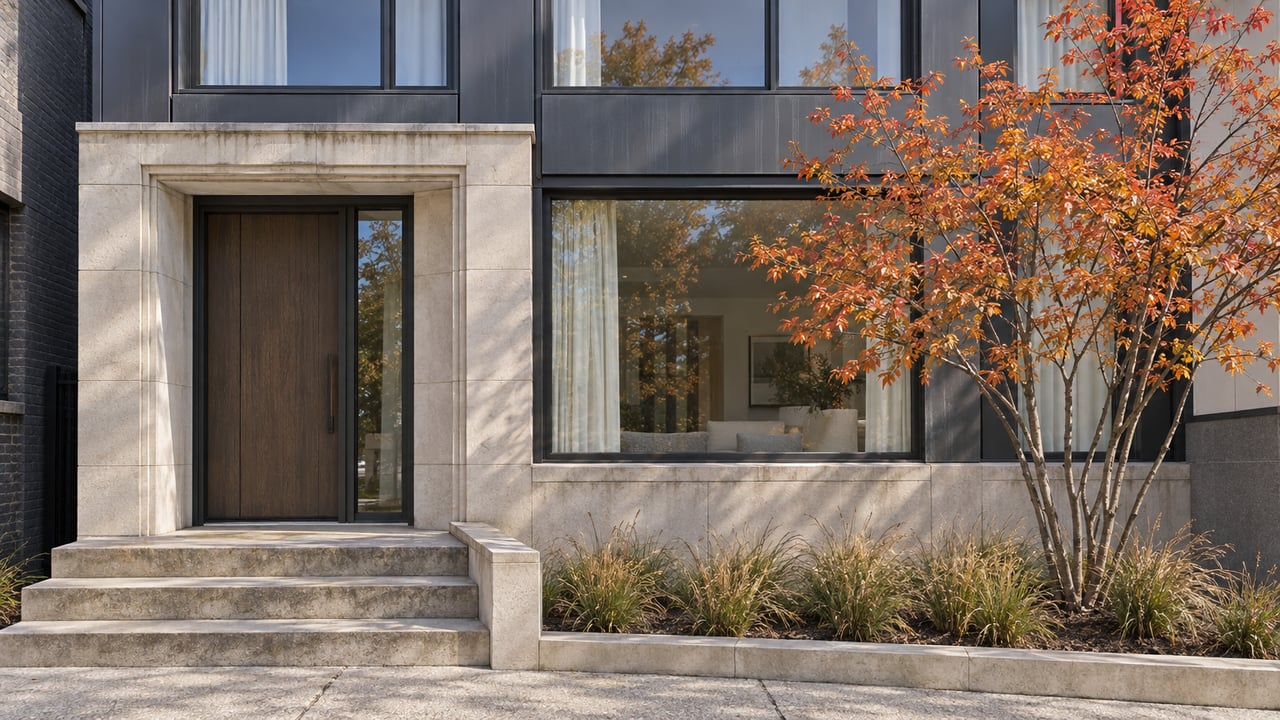
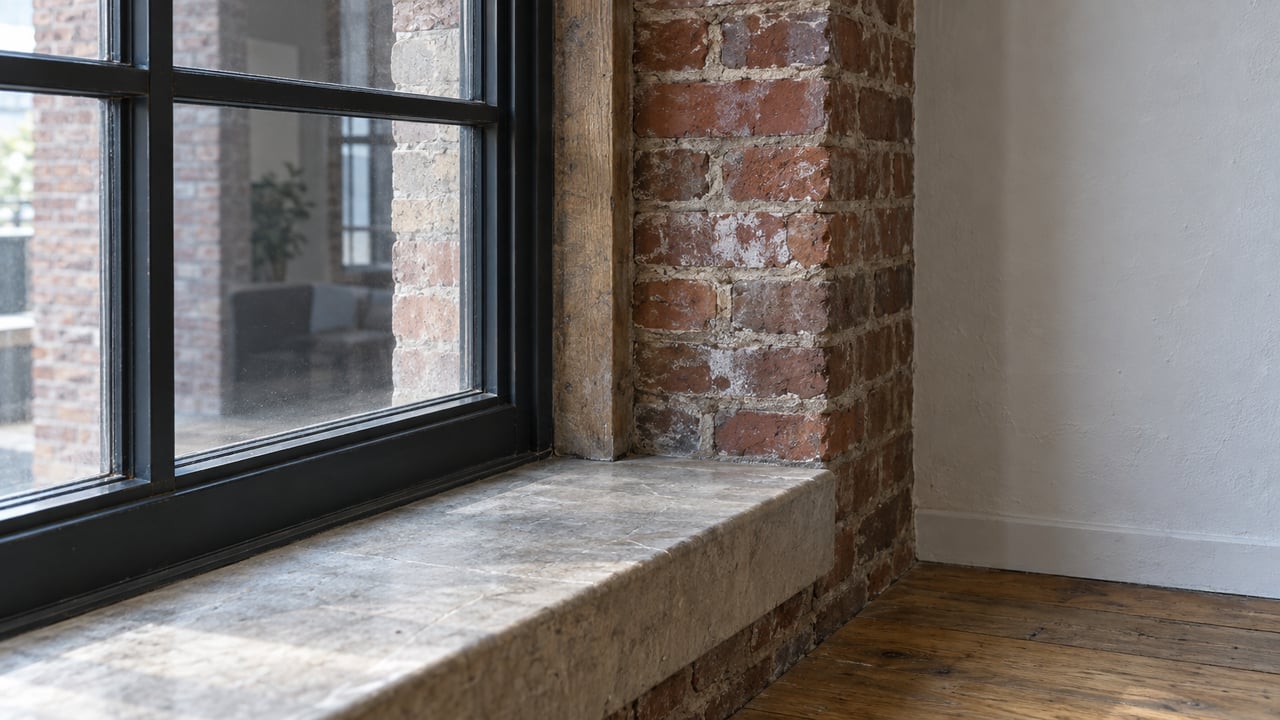
Are you torn between the texture of a classic timber-and-brick loft and the polish of a new-construction condo in the West Loop? It is a common crossroads for buyers and sellers, especially with so many buildings clustered around Fulton Market and the river corridor. The good news: once you know which features move price and how to compare them fairly, you can price or bid with confidence. In this guide, you will learn the key differences, how to choose comps, and a simple price-band framework you can use today. Let’s dive in.
West Loop lofts vs new condos
Converted lofts come from late-19th and early-20th century warehouses that were turned into residences between the 1980s and 2010s. They offer tall ceilings, big window lines, and visible structure that create a distinctive look and feel. New-construction condos surged in the 2010s and 2020s, responding to demand for modern layouts, bigger amenity packages, and warranties.
These two product types attract overlapping but different buyer groups. That is why you cannot price them as if they were interchangeable. The right pricing strategy respects how each feature influences buyer willingness to pay and how appraisers treat those features.
Key value drivers that move price
Floor area and layout
- Lofts often have open plans with columns, angled corners, or mezzanines. Usable space can feel larger than it measures. Always verify how square footage was measured and how mezzanines are categorized.
- New builds tend to have efficient bedroom-bath counts and storage planned into the layout. Developers measure to contemporary standards.
- Pricing tip: confirm interior measurements on listing records and treat mezzanines as conditional space, not full bedrooms.
Ceiling height and window lines
- Lofts can deliver 10 to 20-foot ceilings and oversized industrial windows. This combination changes light quality and perceived volume.
- New buildings may offer high ceilings and expansive glass walls, but the aesthetic differs from true industrial loft character.
- Pricing tip: treat ceiling height and window lines as qualitative premiums that can justify higher prices when comparing on a per-square-foot basis.
Finish level and systems
- Loft finishes vary widely. Some are raw shells that need investment. Others have fully remodeled kitchens, baths, and updated mechanicals.
- New construction provides uniform finishes, new systems, and warranties that reduce near-term risk.
- Pricing tip: two same-size lofts can sell very differently based on finish level. Grade finishes as basic, mid, high-end, or luxury, then adjust pricing accordingly.
Amenities, services, and HOA
- Loft buildings are often smaller with limited amenities. Monthly dues may be lower, depending on what they include.
- New buildings package services such as concierge, doorman, fitness centers, roof decks, package rooms, pet amenities, and garage parking. Dues are usually higher to support services and reserves.
- Pricing tip: compare the total cost of ownership. Buyers may pay a higher price if monthly expenses are lower, or seek a lower price if dues are higher.
Parking, storage, and deed details
- Deeded garage parking is more common in new buildings and has clear dollar value in the urban core.
- Storage cages or lockers are standard in many new developments.
- Condo documents and assessment history can affect perceived risk.
- Pricing tip: treat deeded parking as a separate asset line. Adjust price when comparing homes with and without parking.
Energy efficiency and maintenance
- New construction complies with modern codes, insulation standards, and HVAC requirements. This often lowers near-term capital expenses.
- Older lofts can entail window, insulation, or system upgrades sooner.
- Pricing tip: consider replacement timelines for windows and mechanicals in older conversions when modeling your pricing bands.
Scarcity and character
- True industrial-loft stock in the West Loop is finite, which appeals to buyers seeking authentic architectural character.
- New construction offers more supply but differentiates through developer brand, design, and amenities.
- Pricing tip: uniqueness can command premiums that do not always show up in simple price-per-square-foot charts.
How to pick the right comps
Start with the same building
The best comparable is the same line and floor in the same building. If that is not available, use the same building on a similar floor with the same exposure and parking setup. This controls for many variables at once.
Widen carefully to similar product
Next, look on the same block or nearby streets for the same product type. Compare converted lofts to converted lofts, and new condos to new condos. Only cross-compare if you document clear adjustments for ceilings, finishes, amenities, and parking.
Use the freshest sales
Start with the most recent 90 to 180 days of closed sales. If inventory is tight, carefully expand the timeframe and geographic radius while explaining your adjustments. Avoid relying on a single sale when possible.
Adjustments that matter most
- Square footage: confirm measurements and treat mezzanines as partial value or bonus space.
- Ceiling height and window line: apply an uplift when those features exceed typical condo norms.
- Finish level: adjust by quality grade using percentage or dollar add-ons.
- Floor level and view: better light and views can justify premiums.
- Parking: add or subtract based on market value for deeded stalls.
- Amenities and HOA: translate monthly dues differences into a price-equivalent.
- Condition and warranties: newer systems and warranties can reduce near-term risk, supporting a higher price.
Ways to quantify adjustments
- Paired-sale analysis: compare two very similar units where one feature differs to find an implied value.
- Per-square-foot baseline: set a narrow comp set, calculate an average price per square foot, then layer on dollar or percent adjustments for features.
- Market quotes for parking: use recent parking stall sales to price stalls separately.
- Appraiser guidance: leverage local appraiser norms for ceiling height or mezzanine treatment when paired sales are thin.
Turn HOA differences into price terms
Buyers feel monthly costs. Converting HOA differences into a price-equivalent makes tradeoffs clear. Example: a $200 per month dues premium over 10 years equals roughly $24,000 in payments. You can use this figure to inform an adjustment when comparing two similar homes with different dues levels.
A simple price-band framework
Step A: Build your baseline
- Select 3 to 6 closed sales, prioritized by same building and line.
- Compute a baseline using either a per-square-foot average times the subject’s size or an average of same-line closed prices if you have them.
Step B: Create feature adjustments
Use a checklist to compare your home to the baseline comps:
- Ceiling height and window line: lower, similar, or higher.
- Finish level: lower, similar, or higher.
- Floor level and exposure: worse, similar, or better.
- Parking: none, assigned, or deeded.
- Amenities and HOA: fewer, similar, or more.
- Condition and warranty: older, similar, or new.
Estimate a percentage uplift for qualitative features like ceiling height or a dollar amount for concrete items like parking. Document your reasoning, whether based on paired sales, appraiser input, or market practice.
Step C: Produce three price bands
- Market band: your baseline plus net adjustments. This is the most probable sale price with typical marketing.
- Aspirational band: market price plus a modest premium, often 3 to 8 percent. Use when the home is rare or when you want to test top demand.
- Value band: market price minus a modest discount, often 3 to 8 percent. Use when you prefer speed, competition, or are offsetting a drawback like higher dues or no parking.
Illustration using the framework
- Baseline value: computed from a tight comp set.
- Adjustments: ceiling height premium applied as a percent, finish level as percent or dollars, parking as a dollar add, and HOA difference converted into a price-equivalent using your ownership horizon.
- Result: three clear bands that align with your timing goals and the home’s specific strengths.
Seller strategy: lofts vs new condos
- Lead with your story: highlight loft character such as exposed brick and timber, ceiling height, and unique window lines. For new builds, focus on amenities, services, and warranty coverage.
- Be transparent with comps: explain how you selected comps and which adjustments you made. Clear methodology builds buyer and appraiser confidence.
- Package the numbers: include a one-page pricing summary and the adjustment checklist in showings.
- Prepare documents: have condo documents, assessment history, and any warranties ready. For lofts, gather recent system upgrades and window work orders.
- Choose your launch band: if your home is one-of-a-kind, consider starting in the aspirational band backed by a defined review date to adjust if needed.
Buyer strategy: choosing and negotiating
- Clarify priorities: decide whether ceiling height, character, and uniqueness matter more than full-service amenities and warranties.
- Use the checklist: normalize for parking, amenities, and HOA when comparing price per square foot.
- Inspect and review: for lofts, budget for mechanicals or windows if the building is older. For new construction, review warranty terms and reserves.
- Think in totals: translate dues differences into price terms so you are comparing apples to apples when choosing between a loft and a new condo.
When to bring in a specialist
If you are weighing a true industrial loft against a new full-service tower home, nuanced adjustments can swing pricing by tens of thousands of dollars. A local expert who understands West Loop conversions and downtown tower product can help you select the right comps, set a persuasive list price, or structure a winning offer.
For private, concierge-level guidance on West Loop pricing, request a consultation with Rafael Murillo. Our team’s downtown expertise, editorial-forward marketing, and Compass Luxury tools help you position your home with confidence.
FAQs
What defines a true West Loop loft?
- A residential unit converted from an early industrial or warehouse building, typically with tall ceilings, exposed structure, and large window lines.
How should I compare HOA dues when pricing?
- Convert the monthly difference into a price-equivalent over your expected ownership period, then apply that as an adjustment when comparing two similar homes.
Do mezzanines count as full square footage in pricing?
- Treat mezzanines as partial or bonus space and value them below enclosed bedroom space to avoid overstating price per square foot.
How do I value deeded parking in the West Loop?
- Price it as a separate line item using recent stall sales or paired comparisons between otherwise similar units with and without parking.
Are new-construction condos easier to appraise than lofts?
- Often yes, because finishes and layouts are more uniform and comps are more plentiful, which reduces adjustment ranges.
How far back can I go for loft comparables if sales are scarce?
- Start with 90 to 180 days; if needed, expand cautiously in time and geography while documenting your adjustments for features and market shifts.