Imagine starting your day with a quick jog along the lake, grabbing coffee downstairs, and walking to the office through a quiet, park-filled pocket of downtown. If you are curious about what everyday life feels like in Chicago’s New East Side, you are not alone. Many buyers want a calm, residential base that still keeps them close to culture, dining, and transit. This guide shows you how life flows in Lakeshore East condos, what to expect from buildings and amenities, and the practical details you should know before you buy. Let’s dive in.
Neighborhood feel and daily rhythms
The New East Side sits on the east edge of the Loop, between Millennium Park and the lakefront. It was planned as a mostly residential enclave with modern towers and integrated green space. You feel the difference right away. Mornings bring joggers and dog-walkers into the parks, daytime stays steady but not hectic, and evenings are quieter than nightlife-heavy districts.
You get a park-centered routine here. Lakeshore East Park, with its lawns and walking paths, anchors the neighborhood. Maggie Daley Park and Millennium Park are next door for playgrounds, concerts, and public art. Many residents build daily habits around fitness, fresh air, and short commutes, rather than late-night scenes.
How it compares nearby
- River North: more nightlife and galleries. New East Side feels more residential and calm.
- West Loop: dining and tech hubs in lower-rise, converted spaces. New East Side has taller towers and fewer street-level restaurant clusters.
- Streeterville: both near the lake, but Streeterville has more hospital-related uses and tourist corridors. New East Side feels more planned and park-focused.
Condo living and amenities
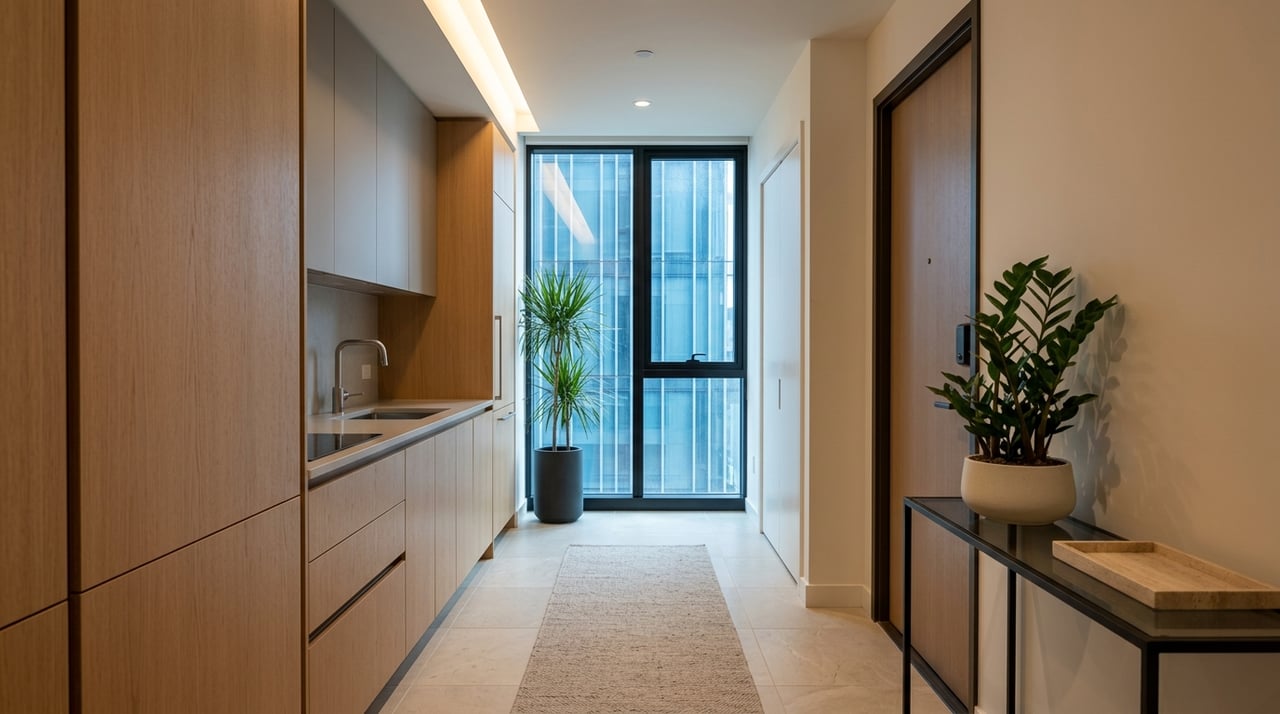
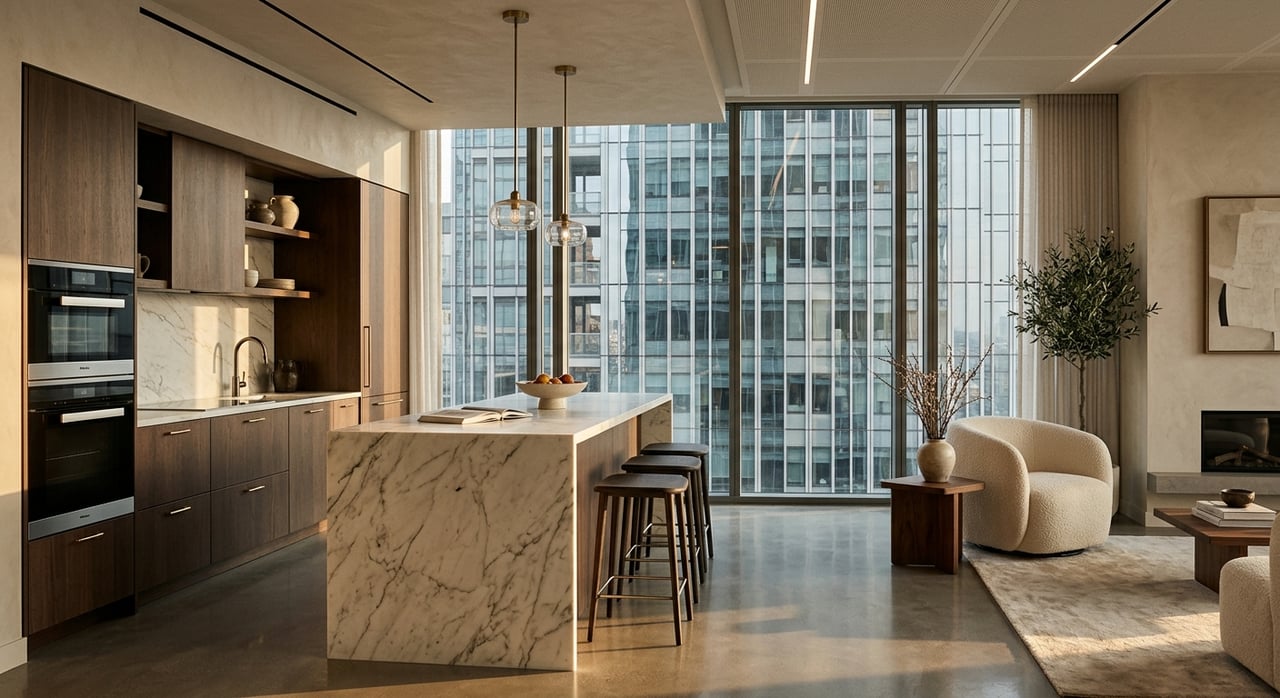
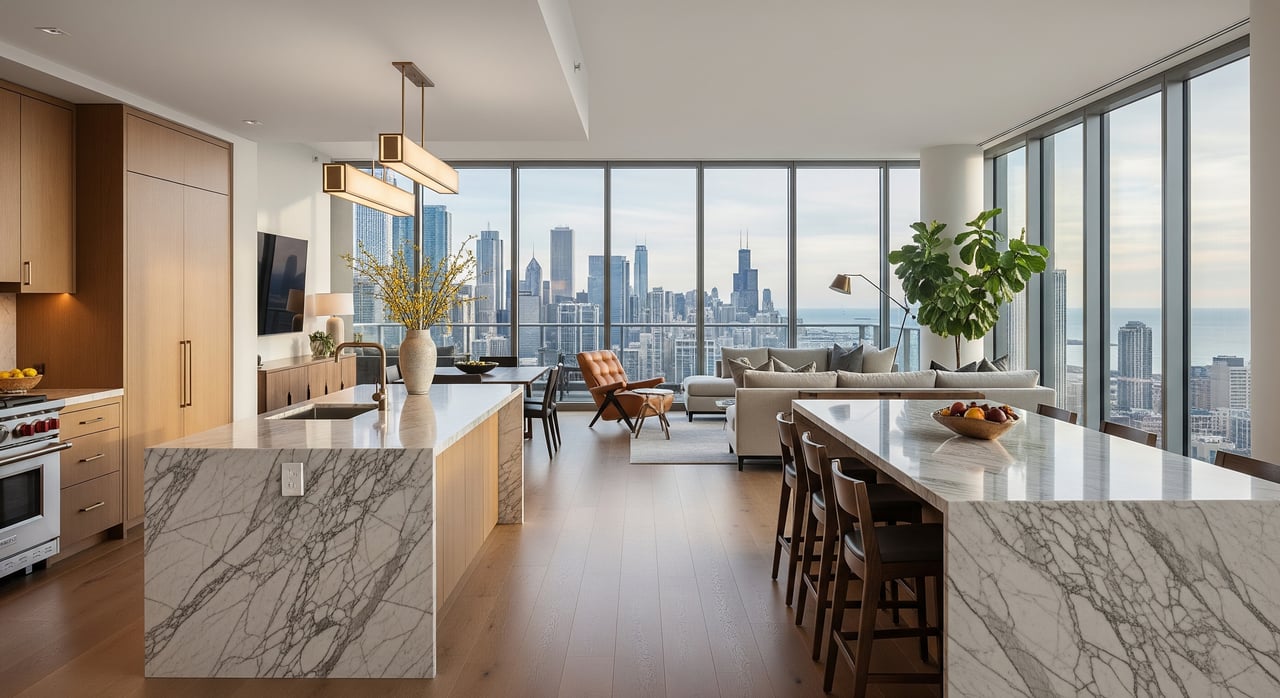
You will find mid- and high-rise condominium towers, largely built within the last two decades. Floor plans are modern, with open kitchens and large windows designed to showcase park and lake views. Unit sizes run from efficient studios to multi-bedroom residences and penthouses.
What buildings typically offer
- Concierge or doorman, 24-hour security, and on-site management
- Fitness centers, yoga rooms, and in some buildings, indoor pools or spa areas
- Rooftop or landscaped terraces with seating and grills
- Private parking garages, bike storage, and package rooms
- Pet-friendly features like dog runs and pet-washing stations
- Resident lounges, business centers, and sometimes guest suites
Views, privacy, and quiet
Orientation matters. Higher floors with east or park-facing exposures capture panoramic views and command premiums. Street noise is often lower than in entertainment districts because parks buffer many blocks. Proximity to Lake Shore Drive or active construction can change the experience, so check your unit’s exposure during showings.
HOA fees and what they cover
Amenity-rich towers often carry higher monthly assessments. Fees support building staff, maintenance, insurance of common areas, and sometimes utilities like heat, water, or cable. Always review the association budget, reserve fund status, and recent meeting minutes. Ask about the building’s track record with special assessments and planned capital projects.
Getting around and access
You can walk to the Loop, Millennium Park, and key downtown destinations in minutes. Residents use a mix of transit, walking, and biking depending on the day. For regional commutes, Millennium Station serves Metra Electric and South Shore Service, and Loop CTA stations connect to multiple lines.
Walkability and errands
The neighborhood scores high for parks and culture. Everyday services like groceries, pharmacies, and dry cleaning are close by, though retail density varies block by block. You may walk a few extra minutes compared with a commercial corridor, but most errands are simple on foot or by a quick rideshare.
Transit and driving
Loop CTA connections are a short walk from most buildings, often in the 5 to 20 minute range depending on your address. Multiple bus routes and seasonal options like water taxis add flexibility. If you drive, Lake Shore Drive offers direct north-south access. Guest parking can be limited, and rush hour traffic often makes transit the faster option.
Biking and micromobility
The Lakefront Trail is your main artery for cycling, running, and scenic commutes. Divvy bike-share stations are nearby, and some downtown streets feature protected bike lanes. Many buildings include secure bike rooms, which makes storage easy.
Daily conveniences and culture
Parks and recreation
Millennium Park hosts concerts and public art, including Cloud Gate. Maggie Daley Park offers seasonal skating on the ribbon, climbing walls, and family programming. These spaces shape weekend plans and make quick weekday breaks simple.
Groceries, dining, and services
You will find neighborhood retail for daily needs within or near the New East Side. Larger grocery chains and specialty markets are close in the Loop, River North, and Streeterville. Dining ranges from high-end restaurants to casual cafes. The area is not saturated with bars, so evenings feel calmer in the immediate streets.
Schools and childcare basics
Families considering the area should check Chicago Public Schools boundary maps for the exact address they plan to buy. Boundaries can change, and assignments vary by location. Private schools and daycare options are reachable in downtown and Near North neighborhoods, but availability and waitlists vary by provider.
Healthcare and safety
Major hospitals and specialty clinics are a short commute away, largely centered in Streeterville and the Near North. Residents note a strong sense of security from building staff, well-lit parks, and regular city services. As with any large city, conditions vary by block and time of day, so visit at different hours to get a feel.
A day in the life
- Morning: Coffee in the lobby or a nearby cafe, a quick loop through Lakeshore East Park, then a short walk to Loop offices or a CTA station. Pet owners often use the park first thing.
- Midday: Lunch near Millennium Park, errands within a few blocks, and maybe a quick run on the Lakefront Trail.
- Evening: A quiet walk home, a workout in the building gym, then a concert at Pritzker Pavilion or a dinner reservation a neighborhood or two away.
- Weekend: Farmer’s market visits in nearby neighborhoods, museum time at the Art Institute, and cookouts with friends on the building terrace while taking in park or lake views.
Buying considerations
Market context and pricing
This pocket typically skews higher-end compared with the citywide condo average. Newer construction, lake and park views, and full-service amenities support a broad price range. Smaller urban residences offer entry into the neighborhood, while large view units and penthouses reach multi-million dollar levels. Trends vary by building and view orientation, so request current data before you bid.
Costs beyond your mortgage
- Monthly HOA fees, often higher in service-heavy towers. Confirm exactly what is included and what is not.
- Property taxes, including Cook County and City of Chicago rules and exemptions.
- Potential special assessments for major repairs or upgrades. Review the reserve study and recent project history.
Key questions to ask on tours
- What is included in the HOA fee, and what is the current monthly assessment?
- Has the association levied special assessments in the past 5 years?
- What are rental and resale rules, including any short-term rental restrictions or owner-occupancy minimums?
- What are pet policies, including breed or size rules if applicable?
- How does parking work, what does it cost, and is there a waitlist for extra spaces?
- What are security staffing hours and access control procedures?
- What is the building’s maintenance and capital improvement plan, and what is the reserve balance?
- Which exposures face noise sources like Lake Shore Drive, and how is the unit heated and cooled?
Practical lifestyle checks
- Storage: Confirm closets, pantry space, and any storage locker availability and cost.
- Deliveries: Ask about package room capacity and handling during peak seasons.
- Guests: Check visitor parking, guest suite options, and any time limits.
- Moves: Understand move-in fees, elevator reservations, and scheduling rules.
Is New East Side a fit?
Choose this neighborhood if you want a residential, park-forward base near Chicago’s cultural core. You will trade nightlife density for green space, security, and polished building amenities. If views, walkability, and minimal commute time matter to you, New East Side should be on your shortlist. When you are ready to assess specific buildings and floor plans, a local expert can help you navigate amenities, HOA health, and view premiums.
Ready to explore top New East Side towers and compare options by views, amenities, and HOA strength? Request a private consultation with Rafael Murillo to plan a discreet, results-driven search.
FAQs
Are New East Side condos noisy since they are downtown?
- The area is generally quieter than entertainment districts thanks to its residential focus and park buffers, but noise varies by building, floor, and exposure to Lake Shore Drive or construction.
How walkable is the New East Side to Millennium Park and the Loop?
- Many buildings sit within a short 5 to 20 minute walk to Millennium Park and Loop transit nodes, but exact times vary by address, so verify from your specific building.
Do most condos offer lake or park views in Lakeshore East?
- Many towers are oriented to capture lake or park vistas, yet views depend on floor and direction, and units with premium exposures often command higher prices.
Is the New East Side a practical choice for households with children?
- The park network, residential towers, and nearby childcare options appeal to many households, but confirm unit size, storage, and school boundaries using the Chicago Public Schools address lookup.
What should I review in condo association documents before buying?
- Focus on reserve fund levels, recent or planned capital projects, rental and pet policies, any litigation, and the history of special assessments to understand risk and long-term costs.